


Оптимизация рабочего пространства 10 шагов к повышению продуктивности
В современном мире, где конкуренция растёт с каждым днём, продуктивность становится ключевым фактором успеха. Независимо от того, работаете ли вы в офисе, удалённо или дома, ваше рабочее пространство играет crucial роль в том, насколько эффективно вы можете выполнять задачи. Неорганизованное, cluttered или неэргономичное рабочее место может значительно снизить вашу продуктивность, привести к стрессу и даже проблемам со здоровьем. В этой статье мы подробно разберём 10 шагов, которые помогут вам оптимизировать ваше рабочее пространство, повысить концентрацию и достичь максимальной продуктивности. Эти шаги основаны на научных исследованиях, опыте экспертов и практических советах, которые легко внедрить в повседневную жизнь.
Шаг 1: Анализ текущего состояния рабочего пространства
Первый шаг к оптимизации — это честная оценка того, что у вас есть сейчас. Проведите детальный анализ вашего рабочего пространства. Обратите внимание на несколько ключевых аспектов: организация, освещение, шум, комфорт и технологическая оснащённость. Начните с уборки: уберите все ненужные предметы, разложите документы по папкам, используйте органайзеры для канцелярских принадлежностей. Исследования показывают, что clutter (беспорядок) может отвлекать внимание и увеличивать уровень стресса. Например, исследование Принстонского университета 2011 года показало, что визуальный беспорядок снижает способность мозга концентрироваться. После уборки оцените освещение: естественный свет предпочтительнее, так как он улучшает настроение и снижает усталость глаз. Если естественного света недостаточно, используйте качественные лампы с регулируемой яркостью. Также проверьте уровень шума: фоновый шум может быть как отвлекающим, так и помогать сосредоточиться — всё зависит от ваших предпочтений. Используйте инструменты, такие как шумоподавляющие наушники, если это необходимо. Наконец, оцените комфорт: удобно ли вам сидеть? Правильно ли настроено кресло и стол? Этот начальный анализ займёт некоторое время, но он essential для понимания, что именно нужно изменить.
Шаг 2: Организация и декларирование рабочей зоны
Организация — это foundation продуктивного рабочего пространства. Начните с декларирования: определите, что должно быть в вашей рабочей зоне, а что можно убрать. Используйте принцип «меньше — лучше». Уберите всё, что не связано с работой: личные вещи, развлечения, ненужные бумаги. Затем организуйте оставшиеся предметы логически: разместите часто используемые вещи в легкодоступных местах, а редко используемые — в ящиках или на полках. Внедрите системы хранения: папки для документов, лотки для бумаг, корзины для мусора. Цифровая организация также важна: создайте папки на компьютере для разных проектов, используйте облачные сервисы для хранения файлов. Методы, такие как GTD (Getting Things Done) Дэвида Аллена, могут помочь в этом. Организация не только экономит время, но и reduces mental load, позволяя вам focus на важных задачах. Регулярно проводите ревизию, чтобы поддерживать порядок — например, раз в неделю уделяйте 15 минут на уборку рабочего стола.
Шаг 3: Эргономика и комфорт
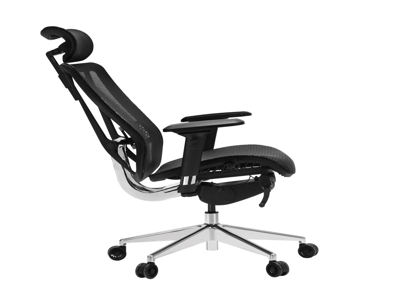
Эргономика — это наука о проектировании рабочего пространства для минимизации дискомфорта и maximizing efficiency. Неправильная эргономика может lead to health issues, таким как боли в спине, шее или запястьях, что directly impacts продуктивность. Начните с кресла: оно должно поддерживать поясницу, регулироваться по высоте и иметь подлокотники. Стол должен быть на такой высоте, чтобы ваши локти были под углом 90 градусов при работе. Монитор разместите на уровне глаз, чтобы избежать напряжения шеи — используйте подставку, если необходимо. Клавиатура и мышь должны быть ergonomic, чтобы reduce risk of repetitive strain injuries. Не забывайте про ноги: они должны flat on the floor или на подставке. Также важно движение: сидячий образ вреден для здоровья. Внедрите standing desk или делайте перерывы каждые 30 минут, чтобы походить или потянуться. Исследования показывают, что ergonomic improvements can increase productivity by up to 25%. Invest in quality furniture — it's investment in your health and work output.
Шаг 4: Оптимизация освещения
Освещение — мощный фактор, влияющий на продуктивность и well-being. Плохое освещение can cause eye strain, headaches, and fatigue. Идеальное рабочее пространство должно иметь combination of natural and artificial light. Если возможно, разместите стол near a window to maximize natural light. Natural light not only improves visibility but also regulates circadian rhythms, enhancing sleep quality and overall energy levels. For artificial lighting, use LED lamps with adjustable color temperature — cooler light (around 5000K) is better for concentration during the day, while warmer light (around 2700K) is soothing for evenings. Avoid glare on screens by positioning lights properly or using anti-glare filters. Additionally, consider task lighting for specific activities, such as a desk lamp for reading. Studies have shown that good lighting can boost productivity by reducing errors and improving mood. Make lighting adjustments a priority — it's a simple change with significant impact.
Шаг 5: Управление шумом и акустика
Шум can be a major distraction or a tool for focus, depending on its type and your preferences. Open offices or noisy environments often lead to decreased concentration. To optimize, first identify sources of noise — is it colleagues, traffic, or appliances? Use noise-cancelling headphones to block out unwanted sounds. Alternatively, background noise like white noise or nature sounds can enhance focus for some people — apps or machines that generate such sounds are widely available. If possible, soundproof your space with rugs, curtains, or acoustic panels to reduce echo and external noise. For phone calls or meetings, ensure good acoustics to avoid misunderstandings. Research indicates that controlled noise levels can improve cognitive performance. Experiment to find what works best for you — silence for deep work or light music for creative tasks. Remember, the goal is to create an auditory environment that supports your work style.
Шаг 6: Технологическая оснащённость и цифровая организация
In today's digital age, technology is integral to productivity. Ensure your workspace is equipped with reliable and efficient tools. Start with hardware: a fast computer, high-speed internet, and peripherals like a second monitor can significantly boost efficiency — studies show that dual monitors increase productivity by up to 30%. Keep software updated and use productivity apps like task managers (e.g., Trello, Asana), calendar tools, and communication platforms (e.g., Slack). Organize your digital files with clear naming conventions and cloud storage for easy access and backup. Automate repetitive tasks with tools like Zapier or keyboard shortcuts to save time. Also, consider ergonomic tech accessories, such as an ergonomic keyboard or mouse. Regularly declutter your digital space by deleting unnecessary files and unsubscribing from distracting notifications. Cybersecurity is crucial — use strong passwords and antivirus software to avoid disruptions. A well-tech-equipped space reduces friction and allows you to focus on high-value activities.
Шаг 7: Персонализация и inspiration
A personalized workspace can enhance motivation and creativity. While minimalism is good for reducing distractions, adding personal touches like photos, plants, or artwork can make the space more inviting and stimulating. Plants, for example, improve air quality and reduce stress — NASA studies have shown that certain plants remove toxins from the air. Choose decor that inspires you but doesn't clutter the area. Colors also play a role: blue and green are calming and promote focus, while yellow can boost creativity. Ensure that personalization doesn't interfere with functionality — keep inspirational items within view but not in the way. This step is about creating an environment that reflects your personality and goals, making work more enjoyable and sustainable. Balance is key; too much personalization can be distracting, so find what works for you.
Шаг 8: Установление routines и boundaries
Productivity isn't just about the physical space; it's also about habits. Establish clear routines for your workday. Start with a morning ritual to set the tone — perhaps meditation, exercise, or planning the day. Use time-blocking techniques to allocate specific times for tasks, minimizing context switching. Set boundaries to avoid interruptions — communicate your work hours to others, use 'do not disturb' modes on devices, and create a physical barrier if needed (e.g., a closed door). Regular breaks are essential; the Pomodoro Technique (25 minutes work, 5 minutes break) is proven to maintain focus. End the day with a shutdown ritual to review accomplishments and plan for tomorrow. These routines help create a psychological association between your workspace and productivity, making it easier to get into flow state. Consistency is crucial; stick to your routines to build lasting habits.
Шаг 9: Поддержание здоровья и wellness
A healthy worker is a productive worker. Integrate wellness into your workspace to prevent burnout and maintain energy. Ensure good air quality — use an air purifier if necessary, especially in enclosed spaces. Stay hydrated by keeping a water bottle nearby, and have healthy snacks available to avoid energy crashes. Incorporate movement: use a stability ball as a chair part-time, or do stretching exercises during breaks. Mental health is equally important; practice mindfulness or deep breathing exercises to reduce stress. Consider ergonomic accessories like footrests or wrist supports to prevent strain. Regular health check-ups and taking sick days when needed are vital. By prioritizing health, you not only improve productivity but also ensure long-term sustainability in your career. Small changes, like standing up every hour, can have big impacts over time.
Шаг 10: Непрерывное улучшение и адаптация
Optimization is an ongoing process, not a one-time event. Regularly assess your workspace and make adjustments based on changing needs or new insights. Solicit feedback from yourself — at the end of each week, reflect on what worked and what didn't. Stay informed about new ergonomic products or productivity techniques. Technology evolves, so upgrade tools when beneficial. Be flexible; if your work style changes, adapt the space accordingly. For example, if you start more virtual meetings, improve your webcam and microphone setup. Continuous improvement ensures that your workspace remains aligned with your goals. Set reminders to review your setup quarterly. Remember, the goal is to create a dynamic environment that supports growth and efficiency. By embracing change, you can sustain high productivity levels over the long term.
В заключение, оптимизация рабочего пространства — это комплексный процесс, который требует внимания к деталям и постоянных усилий. Следуя этим 10 шагам, вы сможете создать среду, которая не только повышает продуктивность, но и способствует вашему здоровью и благополучию. Начните с малого — даже небольшие изменения могут привести к значительным улучшениям. Удачи в вашем journey к более продуктивной работе!
