



Забота о мебели ключ к продуктивности в офисе
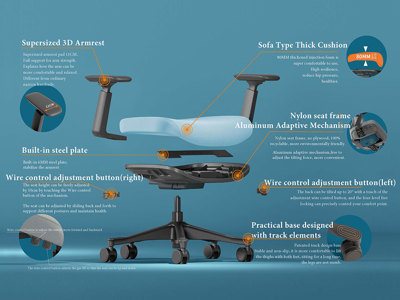
В современном деловом мире, где конкуренция становится все более жесткой, а требования к эффективности растут с каждым днем, компании постоянно ищут способы повысить продуктивность своих сотрудников. Часто внимание уделяется технологическим инновациям, обучению персонала или оптимизации процессов, но один из ключевых аспектов, который часто упускается из виду, — это физическая среда, в которой работают люди. А именно, офисная мебель. Казалось бы, мебель — это просто функциональные предметы, которые обеспечивают комфорт и организацию пространства. Однако, на самом деле, она играет гораздо более значительную роль. Правильный уход за мебелью не только продлевает ее срок службы, но и напрямую влияет на здоровье, настроение и, как следствие, на продуктивность сотрудников. В этой статье мы глубоко исследуем, как забота о мебели становится ключом к успеху в офисе, и предоставим практические рекомендации для бизнесов всех размеров.
Начнем с того, что продуктивность в офисе — это многогранное понятие. Она включает в себя не только количество выполненных задач, но и качество работы, творческий подход, сотрудничество между коллегами и общее благополучие персонала. Исследования показывают, что физическая среда может влиять на эти аспекты на 20-30%. Например, неудобный стул или стол, который слишком высок или низок, может вызывать боли в спине, шее или запястьях, что приводит к снижению концентрации и увеличению числа ошибок. Более того, если мебель старая, сломанная или просто неухоженная, это создает негативную атмосферу, которая подрывает мотивацию и лояльность сотрудников. Представьте себе офис, где стулья скрипят при каждом движении, столы покрыты царапинами, а полки шатаются. Такая обстановка не inspires confidence or creativity; instead, it breeds dissatisfaction and stress.
Забота о мебели начинается с выбора правильных предметов. При покупке офисной мебели важно учитывать не только дизайн и стоимость, но и эргономику, долговечность и простоту обслуживания. Эргономичная мебель, такая как регулируемые кресла и столы, позволяет сотрудникам адаптировать рабочее место под свои индивидуальные needs, reducing the risk of musculoskeletal disorders. Например, кресло с поддержкой поясницы и регулируемой высотой может предотвратить развитие chronic back pain, which is a common issue among office workers. Additionally, investing in high-quality materials, like solid wood or metal frames, ensures that the furniture lasts longer and requires less frequent replacement, saving money in the long run.
Once the right furniture is in place, regular maintenance is crucial. This involves simple steps like cleaning, inspecting for damage, and making minor repairs promptly. Dust and dirt can accumulate on surfaces, affecting air quality and potentially causing allergies or respiratory problems. Regular wiping with appropriate cleaners not only keeps the furniture looking new but also contributes to a healthier environment. For instance, using microfiber cloths and non-abrasive cleaners on desks and chairs can remove germs and prevent the spread of illnesses, which is especially important in shared spaces. Moreover, checking for loose screws or worn-out parts and fixing them immediately can prevent accidents and extend the life of the furniture. A wobbly chair might seem like a minor issue, but if it breaks suddenly, it could lead to injuries and downtime.
Beyond physical maintenance, the aesthetic aspect of furniture care also matters. A well-maintained office looks professional and inviting, which boosts employee morale and impresses clients. When furniture is clean, organized, and in good condition, it sends a message that the company values its workspace and, by extension, its people. This can enhance team spirit and encourage a culture of pride and ownership. For example, implementing a policy where employees are encouraged to keep their desks tidy and report any issues with furniture can foster a sense of responsibility and collective effort towards maintaining a productive environment.
In addition to routine care, consider the role of furniture in promoting collaboration and innovation. Modern offices often use modular furniture that can be rearranged to suit different tasks, such as team meetings or individual work. Ensuring that this furniture is well-maintained allows for flexibility and adaptability, which are key to responding to changing business needs. If movable partitions or adjustable desks are damaged, they hinder this flexibility and can stifle creativity. Regular inspections and upgrades, when necessary, ensure that the office remains a dynamic space that supports various work styles.
Furthermore, the psychological impact of furniture cannot be overstated. Humans are influenced by their surroundings; a cluttered or poorly maintained space can increase stress levels and reduce cognitive function. Studies have shown that employees in clean, organized offices report higher job satisfaction and lower levels of anxiety. By taking care of furniture, companies indirectly invest in the mental health of their workforce. This is particularly relevant in today's world, where work-life balance and well-being are prioritized. Offering comfortable breakout areas with sofas and coffee tables that are regularly cleaned and maintained can provide much-needed relaxation breaks, rejuvenating employees and boosting overall productivity.
To implement an effective furniture care strategy, start with a assessment of current conditions. Identify any items that need repair or replacement and prioritize based on usage and impact. Develop a maintenance schedule that includes daily, weekly, and monthly tasks. For example, daily tasks might involve wiping down surfaces, while weekly tasks could include vacuuming upholstery and checking for structural issues. Monthly, conduct a more thorough inspection and deep cleaning. Train employees on proper use and care of furniture to prevent misuse that leads to damage. Provide clear guidelines, such as not leaning back excessively on chairs or overloading shelves.
Investing in professional services for deep cleaning or repairs can also be beneficial. While in-house efforts are valuable, experts can address issues that might be overlooked, such as reupholstering chairs or refinishing wood surfaces. This not only maintains the furniture but can also refresh the office's appearance without the cost of full replacement. Additionally, consider sustainable practices, like choosing eco-friendly materials and recycling old furniture, which align with corporate social responsibility goals and can enhance the company's image.
In conclusion, caring for office furniture is not a trivial matter; it is a strategic approach to enhancing productivity. By ensuring that furniture is ergonomic, well-maintained, and aesthetically pleasing, companies can create a supportive environment that promotes health, happiness, and high performance. Remember, a small investment in maintenance today can prevent larger costs and disruptions tomorrow. Start paying attention to your office furniture—it might just be the key to unlocking your team's full potential.
This article has explored the multifaceted relationship between furniture care and office productivity. From physical health benefits to psychological well-being and operational efficiency, the evidence is clear: neglect your furniture, and you risk undermining your business success. Take action now by evaluating your current setup and implementing a proactive care plan. Your employees—and your bottom line—will thank you.
