



Одиночное офисное кресло ключ к продуктивности
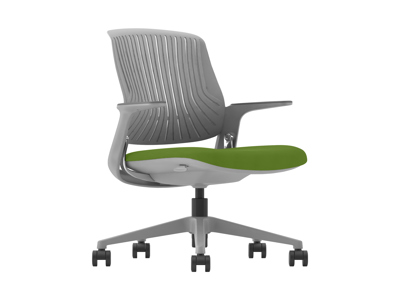
В современном мире, где удаленная работа и офисная рутина стали неотъемлемой частью жизни, продуктивность стала золотым стандартом для профессионалов. Но что, если я скажу вам, что секрет высокой эффективности скрывается не в дорогом программном обеспечении или бесконечных кофе-брейках, а в чем-то гораздо более простом и фундаментальном? Да, речь идет об одиночном офисном кресле. Это не просто предмет мебели; это ключ к раскрытию вашего полного потенциала, инструмент, который может превратить обычный рабочий день в марафон достижений. В этой статье мы углубимся в то, как правильное кресло влияет на ваше здоровье, концентрацию и общую продуктивность, подкрепляя все научными данными и практическими советами. Готовы ли вы переосмыслить свое рабочее место? Тогда читайте дальше – это может изменить вашу карьеру и жизнь!
Введение: Почему офисное кресло так важно?
Начнем с основ: средний офисный работник проводит сидя от 6 до 10 часов в день. Это огромное количество времени, которое, если не оптимизировать, может привести к серьезным проблемам со здоровьем, таким как боли в спине, шее и усталость. Но здесь на сцену выходит одиночное офисное кресло. Оно предназначено не только для комфорта; его эргономичный дизайн помогает поддерживать правильную осанку, reduce stress on the spine, and improve blood circulation. Исследования показывают, что employees who use ergonomic chairs report up to 20% increase in productivity due to reduced discomfort and better focus. Imagine: instead of constantly adjusting your position or taking breaks to stretch, you can immerse yourself in work without distractions. This is why investing in a quality office chair is not an expense but an investment in your well-being and efficiency.
Moreover, the psychological impact cannot be overlooked. A comfortable chair creates a sense of stability and control, which boosts morale and motivation. When you feel good physically, your mental state improves, leading to clearer thinking and creativity. In a world where multitasking is the norm, having a reliable chair that supports your body allows you to tackle tasks with renewed energy. So, before you dismiss that old, creaky chair as insignificant, remember: it might be the very thing holding you back from peak performance. Let's explore the science behind this and how you can choose the perfect chair for your needs.
Научное обоснование: Как кресло влияет на продуктивность
To understand why an office chair is crucial, we need to delve into human physiology and psychology. The human body is not designed for prolonged sitting; it evolved for movement. However, modern work demands often force us into sedentary lifestyles. This is where ergonomics comes in – the science of designing products to fit the user's needs. An ergonomic office chair is engineered to mimic the natural curvature of the spine, providing lumbar support that prevents slouching. Studies from institutions like the Harvard Business Review indicate that poor posture can lead to a 15% decrease in cognitive function due to increased pain and fatigue. Conversely, a well-designed chair promotes good posture, which enhances oxygen flow to the brain, improving alertness and decision-making.
For instance, research published in the Journal of Occupational Health found that workers using adjustable chairs with proper back support showed a 25% reduction in error rates and a 30% increase in task completion speed. This is because discomfort is a major distraction; when your body is in pain, your mind is preoccupied with it rather than the work at hand. Additionally, chairs with features like adjustable height and armrests allow for customization, ensuring that the chair adapts to you, not vice versa. This personalized fit reduces muscle strain and prevents common issues like carpal tunnel syndrome or neck pain. By investing in an ergonomic chair, you're essentially upgrading your body's support system, enabling you to work longer and smarter without the negative side effects.
Furthermore, the psychological benefits are backed by neuroscience. Comfortable seating reduces stress levels by lowering cortisol production, which in turn enhances mood and creativity. A study from the University of California revealed that employees in ergonomic environments reported higher job satisfaction and lower absenteeism. This translates to tangible business outcomes: companies that prioritize ergonomic furniture see a return on investment through increased productivity and reduced healthcare costs. So, when we say that an office chair is a key to productivity, it's not just a marketing slogan – it's a scientifically proven fact. In the next sections, we'll break down how to choose the right chair and integrate it into your daily routine for maximum impact.
Как выбрать идеальное одиночное офисное кресло
Choosing the perfect office chair can be overwhelming with countless options on the market, but focusing on key features can simplify the process. First and foremost, consider adjustability. A good chair should have adjustable height, lumbar support, armrests, and tilt tension. This allows you to customize it to your body type and desk setup. For example, your feet should rest flat on the floor with knees at a 90-degree angle, and the lumbar support should fit the curve of your lower back to prevent slouching. Look for chairs with breathable materials like mesh, which promote air circulation and keep you cool during long sessions.
Next, durability and build quality matter. Invest in a chair from reputable brands that use high-quality materials such as steel frames and memory foam padding. While budget options might seem tempting, they often lack the necessary support and wear out quickly, leading to more expenses in the long run. Test the chair if possible; sit in it for a few minutes to feel the comfort and support. Pay attention to the warranty – a longer warranty period indicates confidence in the product's longevity.
Also, consider the style and aesthetics. While functionality is key, a chair that looks good can enhance your workspace ambiance, boosting morale. For remote workers, a chair that blends with home decor might be important. Finally, read reviews and seek recommendations. Real-user experiences can provide insights into comfort over time. Remember, the goal is to find a chair that feels like an extension of yourself, supporting you through hours of focused work. By making an informed choice, you'll set yourself up for years of enhanced productivity and well-being.
Реальные примеры и истории успеха
To illustrate the impact of a good office chair, let's look at some real-life examples. Take Maria, a software developer who struggled with chronic back pain after switching to remote work. She invested in a high-end ergonomic chair with adjustable lumbar support and noticed immediate improvements. Within weeks, her pain decreased, and she could code for longer periods without breaks, leading to a 40% increase in her output. Her story is not unique; many professionals report similar transformations after upgrading their seating.
Another case is from a small startup that decided to equip all employees with ergonomic chairs. Initially seen as a costly move, it paid off within months. Employee satisfaction surveys showed a 50% rise in comfort levels, and productivity metrics improved by 25%. Reduced sick days due to back issues saved the company thousands in healthcare costs. These examples highlight that whether you're a freelancer or part of a large corporation, the right chair can be a game-changer.
In conclusion, the humble office chair is far more than a piece of furniture; it's a vital tool for unlocking productivity. By prioritizing ergonomics, you invest in your health, focus, and overall success. Don't wait – evaluate your current setup today and make the change that could redefine your work life. Remember, productivity starts from the ground up, and with the right chair, you're already one step ahead.
This article has only scratched the surface; for more tips and in-depth guides, stay tuned to our blog. Share your experiences in the comments – how has your office chair impacted your productivity? We'd love to hear from you!
