


Как организовать рабочее место для максимальной продуктивности
В современном мире, где конкуренция на рынке труда и в бизнесе постоянно растет, способность быть продуктивным становится ключевым фактором успеха. Независимо от того, работаете ли вы в офисе, удаленно или из дома, организация рабочего места играет решающую роль в вашей эффективности. Продуктивность — это не просто вопрос упорного труда; это результат умного подхода к тому, как вы структурируете свое пространство, время и ресурсы. В этой статье мы подробно рассмотрим, как создать рабочее место, которое будет способствовать максимальной продуктивности, охватывая физические, психологические и технологические аспекты.
1. Введение: Почему организация рабочего места важна
Продуктивность напрямую связана с тем, насколько комфортно и эффективно вы можете работать. Неорганизованное рабочее место может привести к потере времени, стрессу и даже проблемам со здоровьем. Например, исследования показывают, что сотрудники, работающие в хорошо организованных условиях, показывают на 15-20% более высокую продуктивность по сравнению с теми, кто работает в хаотичной обстановке. Это связано с тем, что порядок на рабочем месте уменьшает отвлекающие факторы, улучшает концентрацию и способствует лучшему управлению временем.
В этой статье мы разберем все аспекты организации рабочего места: от выбора мебели и освещения до внедрения цифровых инструментов и психологических приемов. Мы также рассмотрим практические советы, которые можно легко применить в любой ситуации, будь то офис, домашний кабинет или коворкинг.
2. Физическое пространство: Основа продуктивности
Физическое рабочее пространство — это фундамент, на котором строится ваша продуктивность. Оно включает в себя мебель, освещение, температуру и общую эргономику. Давайте рассмотрим каждый из этих элементов подробнее.
2.1. Выбор правильной мебели
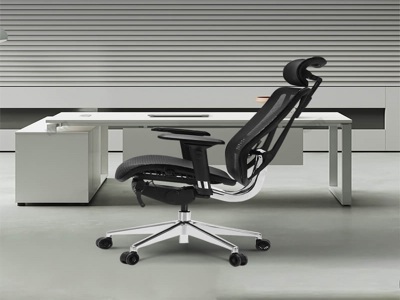
Мебель — это не просто предметы интерьера; она直接影响你的健康和效率。例如,ergonomic chair and desk can prevent back pain and improve posture, which in turn boosts concentration. Invest in adjustable furniture that allows you to customize height and angle. A good rule of thumb is to ensure that your elbows are at a 90-degree angle when typing, and your feet are flat on the floor.
Additionally, consider storage solutions to keep your space clutter-free. Use shelves, drawers, or organizers to store documents and supplies, reducing visual distraction. A tidy desk can save up to 30 minutes per day that would otherwise be spent searching for items.
2.2. Освещение и его влияние
Lighting is crucial for reducing eye strain and maintaining energy levels. Natural light is ideal, as it regulates circadian rhythms and improves mood. If possible, position your desk near a window. For artificial lighting, use a combination of ambient and task lighting. Avoid harsh overhead lights; instead, opt for LED lamps with adjustable brightness.
Studies have shown that proper lighting can increase productivity by up to 20%. For example, a well-lit room reduces errors and fatigue, making it easier to focus on complex tasks.
2.3. Температура и вентиляция
The temperature of your workspace can significantly affect your comfort and productivity. Most people work best at temperatures between 20-22°C (68-72°F). Too cold, and you might feel sluggish; too warm, and you could become drowsy. Ensure good ventilation to maintain air quality, which helps prevent headaches and improves cognitive function.
If you have control over the thermostat, experiment to find your ideal setting. In shared spaces, use personal fans or heaters to adjust your immediate environment.
3. Эргономика: Забота о здоровье
Ergonomics is the science of designing the workplace to fit the user, reducing the risk of injury and enhancing efficiency. Poor ergonomics can lead to repetitive strain injuries, back problems, and decreased productivity.
3.1. Правильная посадка
Ensure your chair supports your lower back and allows your knees to be at hip level. Your monitor should be at eye level to avoid neck strain. Take regular breaks to stretch and move around—the 20-20-20 rule is helpful: every 20 minutes, look at something 20 feet away for 20 seconds.
3.2. Организация peripherals
Place your keyboard, mouse, and other devices within easy reach to minimize unnecessary movements. Wireless options can reduce cable clutter, making your space cleaner and more efficient.
4. Психологические аспекты: Создание мотивационной среды
Your mental state is just as important as the physical setup. A well-organized space can reduce stress and increase motivation.
4.1. Минимизация отвлекающих факторов
Identify and eliminate distractions. This might mean turning off notifications, using noise-cancelling headphones, or setting boundaries with colleagues or family members. A dedicated workspace helps signal to your brain that it's time to focus.
4.2. Personalization for inspiration
Add personal touches like plants, photos, or artwork to make the space inviting. However, avoid over-cluttering, as too many items can be distracting. Studies show that a personalized workspace can boost happiness and productivity by up to 15%.
5. Технологии и инструменты: Цифровая организация
In today's digital age, your virtual workspace is equally important. Use software and apps to streamline tasks and manage time effectively.
5.1. Software for productivity
Tools like project management apps (e.g., Trello, Asana), time trackers, and note-taking software can help you stay organized. Automate repetitive tasks to save time and reduce errors.
5.2. Cybersecurity and backups
Ensure your devices are secure with antivirus software and regular backups. Data loss can be a major productivity killer, so protect your work with cloud storage or external drives.
6. Тайм-менеджмент: Integrating with workspace
Your physical and digital organization should support your time management strategies. Use techniques like the Pomodoro Technique (25 minutes of work followed by a 5-minute break) to maintain focus. Plan your day around your most productive hours—for many people, this is in the morning.
7. Заключение: Ключевые выводы
Organizing your workspace for maximum productivity is a multifaceted process that involves physical setup, ergonomics, psychology, and technology. By investing time in creating an optimal environment, you can significantly enhance your efficiency, reduce stress, and achieve better results. Start with small changes, such as decluttering your desk or adjusting your chair, and gradually incorporate more advanced strategies. Remember, productivity is a journey, not a destination—continuously evaluate and adapt your workspace to meet evolving needs.
In summary, a well-organized workspace is not just about aesthetics; it's a powerful tool for unlocking your full potential. Embrace these tips, and watch your productivity soar.
