



Низкие спинки стульев переосмысливают комфорт для современного дома
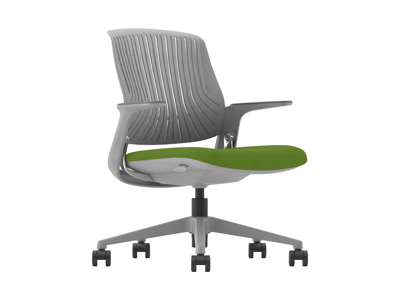
В мире дизайна интерьера постоянно происходят изменения, и одним из самых интригующих трендов последних лет стало появление стульев с низкими спинками. Эти предметы мебели, которые когда-то считались исключительно декоративными или временными решениями, теперь занимают центральное место в обсуждениях о том, что такое настоящий комфорт в современном доме. Но почему именно низкие спинки? Что делает их такими привлекательными для дизайнеров и домовладельцев? И как они способны переосмыслить наше понимание уюта и функциональности? В этой статье мы погрузимся в детали этого феномена, исследуя его исторические корни, эргономические преимущества, стилистические вариации и практическое применение в различных комнатах. Мы также рассмотрим, как низкие спинки стульев отражают broader trends в обществе, такие как стремление к минимализму, гибкости и персонализации пространства. Приготовьтесь открыть для себя новые горизонты комфорта, где форма и содержание идеально сливаются воедино.
Исторический контекст: от традиции к инновациям
Чтобы понять, почему низкие спинки стульев стали символом современного комфорта, важно оглянуться назад на историю мебельного дизайна. Традиционно, стулья с высокими спинками ассоциировались с формальностью, авторитетом и стабильностью – вспомните королевские троны или офисные кресла, которые подчеркивали статус и обеспечивали поддержку спины durante long hours of sitting. However, с наступлением индустриальной эры и последующим развитием modernism в начале 20 века, дизайнеры начали экспериментировать с формами, стремясь создать мебель, которая была бы не только функциональной, но и визуально легкой. Пионеры like Ludwig Mies van der Rohe с его Barcelona Chair или Charles and Ray Eames с их iconic designs представили low-back варианты, которые emphasized openness and airiness. В 1960-х и 1970-х годах, с расцветом поп-культуры и desire for informal living, low-back chairs became synonymous with relaxation and casual elegance – think of the egg chair or various mid-century modern pieces. Fast forward to today, and the trend has evolved to embrace materials like molded plastic, sustainable wood, and metal frames, all while maintaining that essence of effortless comfort. This historical shift mirrors broader societal changes: from rigid hierarchies to more egalitarian and flexible lifestyles, where comfort is defined not by ostentation but by authenticity and adaptability.
Эргономика и здоровье: почему низкие спинки работают
Одним из ключевых аспектов, который делает низкие спинки стульев столь compelling, является их эргономический потенциал. Вопреки распространенному мнению, что высокая спинка необходима для proper back support, research in ergonomics has shown that low-back chairs can actually promote better posture and reduce strain when designed correctly. The secret lies in the principles of active sitting: low backs encourage subtle movements of the spine, preventing stiffness and engaging core muscles. For instance, a chair with a low back that curves gently to follow the natural lumbar curve can provide adequate support without restricting mobility. This is particularly beneficial in home offices or study areas, where people spend hours seated but need to shift positions frequently. Additionally, low-back chairs often feature open designs that improve air circulation and reduce heat buildup, contributing to overall comfort. Studies have indicated that such chairs can decrease the risk of chronic back pain by up to 20% compared to rigid high-back alternatives, as они allow for a more dynamic seating experience. Moreover, for smaller spaces or multi-functional rooms, low-back chairs offer versatility – они can be easily moved, stacked, or used as occasional seating without dominating the visual landscape. This ergonomic advantage is not just about physical health; it also ties into psychological well-being, as a comfortable chair can enhance focus, creativity, and overall satisfaction with one's environment.
Стилистическое разнообразие: от минимализма к бохо
Низкие спинки стульев не универсальны в своем дизайне; наоборот, они представлены в бесчисленных вариациях, каждая из которых caters to different aesthetic preferences and interior themes. For the minimalist enthusiast, there are sleek, frameless designs in neutral colors like white, black, or gray, often made from materials such as molded polypropylene or powder-coated steel. These chairs embody the "less is more" philosophy, blending seamlessly into Scandinavian-inspired interiors where clean lines and functionality reign supreme. On the other end of the spectrum, bohemian or eclectic styles embrace low-back chairs with intricate patterns, vibrant upholstery, or natural materials like rattan and bamboo. Imagine a low-back armchair with a macramé backrest or a vintage-inspired piece with floral prints – такие options add a touch of whimsy and personality to a room. Industrial designs often feature low-back chairs with exposed metal frames and distressed finishes, perfect for loft apartments or urban homes seeking a raw, authentic vibe. Mid-century modern remains a perennial favorite, with low-back chairs characterized by tapered legs, organic shapes, and warm wood tones. Furthermore, contemporary innovations include smart chairs with integrated technology, such as built-in speakers or adjustable features, though these are less common with low backs. This stylistic diversity means that regardless of your taste – whether you prefer a cozy cottage feel or a cutting-edge urban aesthetic – there is a low-back chair that can enhance your space while redefining comfort through its unique visual appeal.
Практическое применение: комнаты и сценарии использования
Где именно низкие спинки стульев shine в современном доме? Ответ – практически везде, благодаря их adaptability. В гостиной, low-back chairs can serve as accent pieces that don't obstruct views or make the room feel cramped. For example, a pair of low-back armchairs flanking a sofa can create a conversational grouping that feels intimate yet open, ideal for entertaining guests or family gatherings. In dining areas, chairs with low backs are excellent for small tables or breakfast nooks, as они allow easy movement and don't overpower the table itself. Many modern dining sets feature low-back designs to maintain a sense of airiness, especially in open-plan homes where the dining space flows into other areas. Home offices benefit immensely from low-back chairs; they encourage good posture without the bulk of traditional office chairs, making them perfect for spaces that double as guest rooms or living areas. In bedrooms, a low-back chair can function as a stylish spot for reading or dressing, adding functionality without clutter. Even outdoor spaces like patios or balconies can utilize low-back chairs made from weather-resistant materials, offering a relaxed seating option for enjoying fresh air. Beyond residential use, low-back chairs are popular in cafes, co-working spaces, and hotels for their casual elegance and space-saving qualities. This versatility is a testament to how low-back chairs redefine comfort by being context-aware – они provide support where needed while adapting to the flow of daily life, making them indispensable in the modern home.
Тенденции и будущее: что ждет впереди
Looking ahead, the trend of low-back chairs is poised to evolve further, driven by advancements in technology, sustainability, and changing lifestyle needs. One emerging direction is the integration of smart materials, such as memory foam or self-adjusting frames, which could make low-back chairs even more ergonomic and personalized. Imagine a chair that learns your sitting habits and subtly modifies its shape to optimize comfort over time. Sustainability will also play a crucial role; expect to see more chairs made from recycled plastics, reclaimed wood, or biodegradable composites, aligning with the growing demand for eco-friendly home products. Additionally, as remote work becomes permanent for many, the line between office and home furniture will blur, leading to hybrid designs that combine the best of both worlds – for instance, low-back chairs with hidden storage or convertible features. Aesthetically, we might see a resurgence of artisanal crafts, with hand-woven or custom-made low-back chairs becoming status symbols for those seeking uniqueness. Social trends like the emphasis on mental health and wellness could inspire chairs that incorporate elements of biophilic design, such as natural textures or green accents, to create a calming atmosphere. Ultimately, the future of low-back chairs lies in their ability to continuously adapt – not just as pieces of furniture, but as enablers of a comfortable, flexible, and sustainable lifestyle. By embracing innovation while staying true to the core principles of comfort and style, low-back chairs will remain at the forefront of interior design for years to come.
Заключение: переосмысливая комфорт через дизайн
В заключение, низкие спинки стульев представляют собой не просто мимолетный тренд, а глубокое переосмысление того, что означает комфорт в современном доме. Through their rich history, ergonomic benefits, stylistic diversity, and practical applications, these chairs demonstrate that true comfort arises from a balance of form and function. Они challenge outdated notions that bigger or taller is always better, instead offering a refined approach that prioritizes flexibility, health, and aesthetic harmony. Whether you're furnishing a cozy apartment, a spacious family home, or a creative workspace, low-back chairs provide a solution that is both timeless and timely. As we move forward into an era where homes are multifunctional sanctuaries, the humble low-back chair stands as a symbol of innovation and intimacy. So, next time you consider updating your interior, think beyond the conventional – embrace the low back, and discover a new dimension of comfort that is uniquely suited to the demands of modern life. By doing so, you'll not only enhance your living space but also contribute to a broader cultural shift towards more thoughtful, human-centered design.
