



Почему оптовая покупка мебели выгоднее розницы
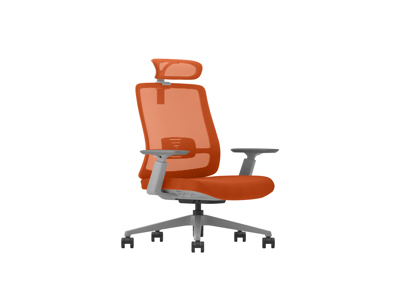
Вы когда-нибудь задумывались, почему многие люди и компании предпочитают покупать мебель оптом, а не в розницу? Возможно, вы сами сталкивались с ситуацией, когда нужно обставить целый дом, офис или гостиницу, и розничные цены кажутся завышенными. В этой статье мы подробно разберем все аспекты оптовых покупок мебели и объясним, почему они могут быть значительно выгоднее. Мы охватим экономические выгоды, практические преимущества, а также дадим советы по выбору надежных поставщиков. Давайте начнем с основ: что такое оптовая покупка и чем она отличается от розничной.
Что такое оптовая покупка мебели?
Оптовая покупка мебели означает приобретение товаров в больших количествах напрямую у производителей или дистрибьюторов, обычно по сниженным ценам. В отличие от розницы, где вы покупаете отдельные предметы по розничным ценам, опт позволяет сэкономить за счет объема. Например, если вы покупаете 10 столов оптом, цена за единицу может быть на 20-50% ниже, чем в розничном магазине. Это связано с тем, что оптовые продавцы экономят на маркетинге, упаковке и других накладных расходах, передавая часть экономии покупателям.
Но выгода опта не ограничивается только ценой. Оптовые покупки часто включают дополнительные преимущества, такие как индивидуальный дизайн, скидки на доставку и установку, а также возможность заказать мебель под конкретные нужды. Например, для ресторана можно заказать столы и стулья определенного размера и цвета, что сложно сделать в рознице. Кроме того, оптовые поставщики обычно предлагают гарантии и послепродажное обслуживание, что делает покупку более надежной.
Теперь, когда мы понимаем основы, давайте углубимся в детали и рассмотрим, почему оптовая покупка мебели может быть выгоднее розницы с точки зрения экономики, качества и удобства.
Экономические выгоды оптовой покупки
Одной из главных причин, по которой оптовая покупка мебели выгоднее, является значительная экономия денег. При оптовых заказах цены на единицу товара снижаются из-за эффекта масштаба. Производители и дистрибьюторы могут предложить更低кие цены, потому что они продают большие объемы, что снижает их издержки на производство и логистику. Например, если розничный магазин продает стол за 10 000 рублей, оптовый поставщик может предложить тот же стол за 7 000 рублей при заказе от 10 штук. Это прямая экономия в 30%, которая может составить существенную сумму при обустройстве большого пространства.
Кроме того, оптовые покупки часто сопровождаются дополнительными скидками и акциями. Многие оптовики предлагают сезонные скидки, скидки за предоплату или лояльность, что further увеличивает выгоду. For instance, если вы регулярно покупаете мебель оптом, вы можете negotiate еще более выгодные условия. Также, опт позволяет избежать наценок розничных сетей, которые обычно добавляют 50-100% к себестоимости товара для покрытия аренды, зарплат сотрудников и рекламы.
Но экономия не ограничивается только первоначальной стоимостью. Оптовые покупки могут снизить долгосрочные расходы. Например, buying in bulk reduces the frequency of purchases, which saves time and transportation costs. If you buy furniture for a hotel, opting for wholesale means you can equip all rooms at once, avoiding multiple trips to stores and reducing delivery fees. Moreover, wholesale suppliers often provide bulk discounts on shipping, making the overall cost even lower.
Another economic advantage is the potential for tax benefits. In many countries, businesses can deduct VAT or other taxes on wholesale purchases, which isn't always possible with retail. This can lead to additional savings, especially for large orders. For example, if you're a company buying furniture for an office, the tax deductions on a wholesale order could save you thousands of рублей.
In summary, the economic benefits of wholesale furniture purchasing are clear: lower per-unit prices, additional discounts, reduced long-term costs, and potential tax advantages. But let's move on to other aspects, such as quality and variety.
Качество и разнообразие выбора
When it comes to furniture, quality is paramount. Wholesale purchases often allow access to higher-quality products at lower prices. Manufacturers focus on bulk orders, so they may use better materials or craftsmanship to meet the demands of large clients. In contrast, retail furniture might be mass-produced with cheaper materials to keep prices low for individual buyers. For example, a wholesale supplier might offer solid wood tables, while a retail store sells particleboard versions at a similar price point.
Variety is another strong point of wholesale. Wholesalers typically have a wider range of products, including custom options that aren't available in retail. You can choose from various styles, colors, and sizes to match your specific needs. For instance, if you're furnishing a corporate office, you might need ergonomic chairs in bulk, which wholesale suppliers can provide with customization for comfort and brand alignment. Retail stores often have limited stock and may not offer such tailored solutions.
Furthermore, wholesale suppliers are more likely to have exclusive deals with manufacturers, giving you access to unique or premium items. This is particularly beneficial for businesses like hotels or restaurants that want to stand out with distinctive furniture. In retail, you're limited to what's on the shelf, which might not meet your aesthetic or functional requirements.
Additionally, wholesale purchases often come with better warranty and support services. Since wholesalers deal with large volumes, they invest in customer service to maintain relationships. You might get extended warranties, free repairs, or quicker response times for issues. In retail, after-sales service can be slower and less personalized.
Overall, the combination of higher quality, greater variety, and better support makes wholesale a superior choice for those who value durability and customization. Now, let's discuss the practical benefits, such as convenience and time savings.
Практические преимущества опта
Convenience is a key factor in why wholesale furniture purchasing is advantageous. When you buy in bulk, you streamline the entire process. Instead of visiting multiple stores or browsing online for hours, you can place one large order and have everything delivered at once. This saves a tremendous amount of time and effort. For example, if you're moving into a new home or opening a business, wholesale allows you to furnish the entire space efficiently without the hassle of coordinating multiple deliveries.
Time savings extend beyond purchasing. Wholesale suppliers often handle logistics, including packaging and shipping, which reduces the burden on you. They may offer white-glove delivery services, where they unpack and assemble the furniture, saving you from DIY headaches. In retail, you might have to arrange delivery yourself or pay extra for these services, adding to the cost and complexity.
Another practical benefit is consistency. When you buy furniture in bulk, you ensure that all pieces match in style, color, and quality. This is crucial for settings like offices or hotels, where a cohesive look enhances professionalism and appeal. In retail, it's easy to end up with mismatched items from different stores or batches, which can look unprofessional.
Moreover, wholesale purchases can lead to better inventory management. For businesses, buying in bulk means you have spare parts or replacements on hand, reducing downtime if something breaks. In retail, you might have to wait for restocks or deals, which can disrupt operations.
Lastly, wholesale often provides flexibility in payment terms. Suppliers may offer installment plans or credit options for large orders, making it easier to manage cash flow. Retail purchases usually require full payment upfront, which can be a strain for big projects.
In essence, the practical advantages of wholesale—convenience, time savings, consistency, and flexible payment—make it a smart choice for both individuals and businesses. Next, let's address potential drawbacks and how to mitigate them.
Возможные недостатки и как их избежать
While wholesale furniture purchasing has many benefits, it's not without potential drawbacks. One common concern is the initial investment required. Buying in bulk means spending more money upfront, which might be challenging for some budgets. However, this can be mitigated by planning ahead or seeking financing options. For example, you can save up over time or use business loans to spread the cost.
Another issue is the risk of overbuying. If you purchase too much furniture, you might end up with unused items that take up space or become outdated. To avoid this, carefully assess your needs before ordering. Create a detailed list of required pieces and quantities, and consider future growth to ensure the purchase is scalable.
Quality control can also be a concern with wholesale, as you might not see the products in person before buying. To address this, choose reputable suppliers with good reviews and ask for samples or certifications. Many wholesalers offer virtual tours or detailed specifications to help you make informed decisions.
Additionally, delivery and storage can be problematic for large orders. Make sure to coordinate with the supplier for efficient shipping and have adequate space ready. Some wholesalers provide storage solutions or phased deliveries to ease the process.
By being proactive and working with trusted partners, you can minimize these drawbacks and fully enjoy the benefits of wholesale. Now, let's wrap up with some tips for successful wholesale furniture purchasing.
Советы по успешной оптовой покупке мебели
To make the most of wholesale furniture purchasing, follow these practical tips. First, research and compare multiple suppliers. Look for those with positive customer feedback, fair pricing, and a good range of products. Websites like Alibaba or local B2B platforms can be helpful for finding reliable wholesalers.
Second, negotiate terms. Don't hesitate to ask for better prices, especially if you're placing a large order. Many suppliers are open to bargaining, particularly for repeat business. Also, inquire about discounts for bulk shipping or extended payment plans.
Third, inspect the quality before committing. If possible, visit the supplier's showroom or request samples. Check for durability, materials, and finish to ensure the furniture meets your standards.
Fourth, plan your logistics. Coordinate delivery dates and ensure you have enough space for storage and assembly. Consider hiring professionals for setup if needed, to save time and avoid damage.
Finally, think long-term. Choose timeless designs and durable materials that will last for years, reducing the need for frequent replacements. This maximizes the return on your investment.
By following these steps, you can leverage wholesale purchasing to save money, get high-quality furniture, and simplify your furnishing projects.
Заключение
In conclusion, wholesale furniture purchasing offers numerous advantages over retail, including significant cost savings, higher quality, greater variety, and practical benefits like convenience and consistency. While there are some challenges, they can be overcome with careful planning and choosing the right suppliers. Whether you're furnishing a home, office, or commercial space, opting for wholesale can lead to better outcomes and long-term satisfaction. So next time you need furniture, consider going wholesale—it might just be the smartest decision you make.
We hope this article has provided valuable insights. If you have any questions or want to share your experiences, feel free to reach out. Happy furniture shopping!
