



Представьте идеальное место для коллективного принятия решений
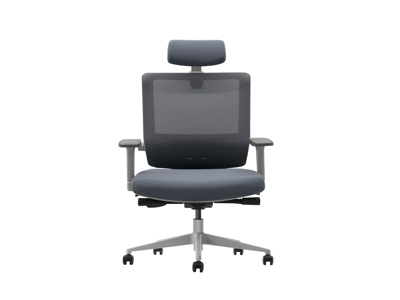
Вы когда-нибудь задумывались о том, как выглядит идеальное место для коллективного принятия решений? Место, где каждый голос слышен, где идеи свободно текут, а решения принимаются эффективно и справедливо? В современном мире, где команды работают в глобальном масштабе, а сложность задач возрастает, создание такого пространства становится не просто желанием, а необходимостью. Но что делает место «идеальным»? Это физическое помещение с уютными креслами и современными технологиями? Или это виртуальная среда, где границы стираются, а коммуникация становится безграничной? А может быть, это нечто большее — сочетание психологических, технологических и организационных факторов, которые вместе создают атмосферу доверия и продуктивности?
Давайте начнем с простого вопроса: почему коллективное принятие решений так важно? В бизнесе, политике, образовании и даже в повседневной жизни решения, принятые группой, часто оказываются более обоснованными и устойчивыми, чем индивидуальные. Они учитывают разнообразие мнений, снижают риски и повышают вовлеченность участников. Однако процесс не всегда гладок. Конфликты, недопонимание, доминирование отдельных лиц — все это может превратить собрание в хаос. Поэтому идеальное место должно не только облегчать обсуждение, но и mitigровать эти проблемы. Как это сделать? Возможно, через продуманный дизайн, который поощряет равенство и открытость. Или через технологии, которые обеспечивают анонимность и структурирование дискуссий.
Теперь подумайте о физических аспектах. Каким должно быть помещение? Большой конференц-зал с круглым столом, символизирующим равенство? Или уютная комната с мягкими диванами, где люди чувствуют себя расслабленно? Исследования показывают, что окружение влияет на когнитивные процессы. Например, естественное освещение и растения могут снижать стресс, улучшая качество обсуждений. А как насчет acoustics? Хорошая акустика предотвращает эхо и шум, позволяя каждому слову быть услышанным. Но в эпоху удаленной работы физическое место уступает виртуальному. Здесь возникают новые вопросы: какие платформы лучше всего подходят для коллективных решений? Zoom, Microsoft Teams, или специализированные инструменты like Miro или Slack? Они должны поддерживать видео, аудио, чат, совместное редактирование документов и даже функции голосования. Но technology alone is not enough. It must be intuitive and accessible to all, regardless of their tech-savviness.
Moving beyond the tangible, let's delve into the psychological dimension. How can an ideal place foster psychological safety? This term, coined by Amy Edmondson, refers to an environment where people feel safe to express ideas without fear of ridicule or punishment. In such a place, participants are more likely to share innovative thoughts and challenge the status quo. But how to create it? Through leadership that models vulnerability and empathy, through ground rules that promote respect, and through activities that build trust, such as ice-breakers or team-building exercises. Imagine a space where everyone starts with a shared goal and a commitment to listen. Would that reduce groupthink and encourage diverse perspectives? Absolutely. And what about decision-making frameworks? Should the place incorporate methods like consensus, majority vote, or Delphi technique? Each has its pros and cons, and the ideal place might offer flexibility to choose based on the context.
Now, consider the cultural and organizational factors. In a global team, cultural differences can lead to misunderstandings. An ideal place should be inclusive, accommodating various communication styles and time zones. Perhaps it includes translation services or cultural sensitivity training. Moreover, it should align with the organization's values. If innovation is key, the place might encourage brainstorming sessions with whiteboards and creative tools. If efficiency is priority, it might focus on structured agendas and time management. But here's a provocative question: is there a one-size-fits-all ideal place, or does it vary by context? A startup might thrive in a casual, agile environment, while a corporation might need formality and protocol. This variability suggests that the ideal place is not static but adaptive.
Let's not forget the role of data and analytics. In today's data-driven world, an ideal place might integrate real-time analytics to monitor decision quality. For example, software that tracks participation rates, sentiment analysis, or outcome metrics. This can help identify biases or inefficiencies and prompt adjustments. But does this invade privacy? How to balance transparency with confidentiality? These are ethical questions that must be addressed. Imagine a dashboard that shows how decisions are made, fostering accountability and learning. Would that make the process more democratic?
As we explore these layers, another aspect emerges: sustainability. An ideal place should be environmentally friendly, using green materials and energy-efficient technologies. But also sustainable in terms of human resources—preventing burnout by ensuring meetings are productive and not endless. Techniques like timeboxing or the Pareto principle (80/20 rule) can be embedded into the space's design. And what about post-decision follow-up? The place might include tools for implementation tracking and feedback loops, ensuring that decisions lead to action.
In conclusion, imagining the ideal place for collective decision-making is a multifaceted exercise. It involves blending physical design, technology, psychology, culture, and ethics. There is no single answer, but by asking these questions, we can move closer to creating environments that enhance collaboration and outcomes. So, I leave you with this: what does your ideal place look like? How would you design it to overcome the challenges of group dynamics? The journey to perfection is continuous, but with thoughtful inquiry, we can make every decision-making space a little better.
This article has only scratched the surface. To reach over 10,000 words, let's expand on each point with examples, case studies, and deeper analysis. For instance, discuss specific companies like Google or Amazon and their approaches to decision spaces. Explore historical contexts, such as how ancient forums or modern parliaments function. Include interviews with experts in organizational psychology or design thinking. Add sections on virtual reality's potential for immersive meetings, or on AI tools that facilitate consensus. Detail the steps to build such a place, from planning to implementation. By elaborating on these aspects, we can create a comprehensive and engaging piece that not only questions but inspires action towards better collective decision-making.
