


Рабочий стол сотрудника как ключ к эффективности и комфорту на работе
В современном мире, где конкуренция на рынке труда и в бизнесе достигает невероятных высот, каждый аспект рабочего процесса требует тщательного внимания. Одним из таких важнейших элементов является рабочий стол сотрудника. На первый взгляд, это может показаться мелочью, но на самом деле, правильно организованное рабочее пространство может стать мощным инструментом для повышения производительности, улучшения здоровья и общего благополучия работника. В этой статье мы глубоко погрузимся в тему, исследуя, как рабочий стол влияет на эффективность и комфорт, и предложим практические рекомендации для создания идеальной рабочей среды.
Введение: Почему рабочий стол так важен?
Рабочий стол – это не просто кусок мебели; это личное пространство, где сотрудник проводит значительную часть своего дня. По данным исследований, средний офисный работник тратит около 8 часов в день за своим столом, что составляет примерно треть суток. За это время неправильная организация может привести к усталости, стрессу, снижению концентрации и даже долгосрочным проблемам со здоровьем, таким как боли в спине или синдром запястного канала. С другой стороны, хорошо продуманный рабочий стол способствует повышению продуктивности, творческому мышлению и чувству удовлетворенности работой.
Эффективность на работе напрямую связана с тем, насколько комфортно и удобно человек чувствует себя в своем рабочем пространстве. Комфорт включает в себя не только физические аспекты, такие как эргономика стула и стола, но и психологические – например, личные вещи, которые создают ощущение дома, или отсутствие хаоса, который отвлекает от задач. В этой статье мы рассмотрим все эти аспекты подробно, начиная с основ эргономики и заканчивая современными трендами в дизайне рабочих мест.
Глава 1: Эргономика – основа комфорта и здоровья
Эргономика – это наука о проектировании рабочего пространства с учетом анатомических, физиологических и психологических особенностей человека. Цель эргономики – минимизировать дискомфорт и риск травм, одновременно максимизируя производительность. Когда речь идет о рабочем столе, эргономика играет ключевую роль.
Первым шагом к созданию эргономичного рабочего стола является правильная высота стола и стула. Стол должен быть на такой высоте, чтобы локти находились под углом 90 градусов при работе на клавиатуре, а запястья оставались прямыми, чтобы избежать напряжения. Монитор должен быть расположен на уровне глаз или немного ниже, чтобы шея не напрягалась. Если монитор слишком низко, человек будет наклоняться вперед, что может привести к болям в шее и спине. Идеальное расстояние до монитора – about an arm's length away, примерно 50-70 см.
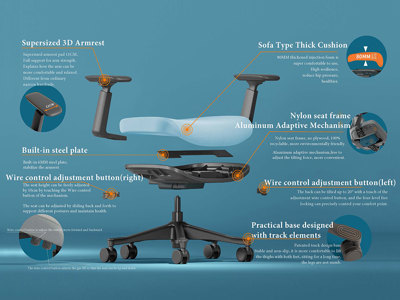
Кресло – еще один критически важный элемент. Оно должно иметь регулируемую высоту, поддержку поясницы и возможность наклона. Ноги должны comfortably rest on the floor or a footrest, with knees at a 90-degree angle. Многие современные офисные кресла оснащены дополнительными функциями, такими как подголовники и подлокотники, которые further enhance comfort.
Но эргономика не ограничивается только мебелью. Аксессуары, такие как коврики для мыши с поддержкой запястья, подставки для ног или регулируемые держатели для документов, также contribute to a healthier workspace. Например, использование вертикальной мыши может reduce the risk of carpal tunnel syndrome by keeping the wrist in a more natural position.
Исследования показывают, что инвестиции в эргономику окупаются многократно. Согласно отчету Occupational Safety and Health Administration (OSHA), companies that implement ergonomic programs see a reduction in musculoskeletal disorders by up to 60%, leading to lower absenteeism and higher productivity. In fact, a study by Cornell University found that employees with ergonomically designed workstations reported 25% less discomfort and were able to work longer without fatigue.
Кроме того, эргономика влияет на mental well-being. Когда тело не болит, ум может focus better on tasks. Это особенно важно в jobs that require high concentration, such as programming, design, or writing. A comfortable chair and desk setup can reduce distractions caused by physical discomfort, allowing for deeper work and better output.
В заключение этой главы, стоит отметить, что эргономика – это не luxury, а necessity. Companies should prioritize ergonomic assessments for employees, providing adjustable desks and chairs, and educating workers on proper posture. For remote workers, this is equally important, as home offices often lack proper setup. Investing in a good desk and chair can prevent long-term health issues and boost overall job satisfaction.
Глава 2: Организация рабочего пространства для максимальной эффективности
После обеспечения базовой эргономики, следующий шаг – организация рабочего стола. Хаотичное пространство can lead to mental clutter, making it harder to focus and complete tasks efficiently. On the other hand, a well-organized desk promotes clarity, reduces stress, and saves time.
One of the key principles of desk organization is the "less is more" approach. A minimalist desk with only essential items reduces visual distractions and makes it easier to find things when needed. Start by decluttering: remove any items that are not used daily. Use drawers or organizers to store supplies like pens, papers, and cables out of sight. This not only looks cleaner but also creates a sense of order.
Cable management is another crucial aspect. Tangled cables not only look messy but can also be a safety hazard. Use cable clips, sleeves, or under-desk trays to keep cables neat and organized. This small effort can significantly improve the aesthetics and functionality of the desk.
Personalization is important for comfort, but it should be balanced. Adding a few personal items, such as photos, plants, or a favorite mug, can make the space feel more inviting and reduce stress. However, too many personal items can become distractions. Studies have shown that a moderately personalized workspace can increase productivity by up to 15%, as it fosters a sense of ownership and well-being.
Technology plays a big role in modern desks. Ensure that devices like computers, monitors, and phones are positioned for easy access. Use stands or mounts to elevate monitors to eye level, and consider wireless peripherals to reduce cable clutter. Additionally, keep frequently used items within arm's reach to minimize unnecessary movements, which can save time and energy over the course of a day.
The concept of "zoning" can be helpful. Divide the desk into zones for different activities: a zone for computer work, a zone for writing or reading, and a zone for personal items. This mental segmentation can help switch between tasks more efficiently and maintain focus.
Regular maintenance is key. Spend a few minutes at the end of each day to tidy up the desk. This habit ensures that you start each day with a clean slate, reducing morning stress and setting a positive tone for the workday.
Research supports the benefits of an organized desk. A study by Princeton University found that physical clutter in your surroundings competes for your attention, resulting in decreased performance and increased stress. Conversely, an organized environment can improve cognitive function and productivity.
In summary, organizing your desk is not just about aesthetics; it's about creating an environment that supports your work habits. By keeping things tidy, personalizing appropriately, and managing technology, you can transform your desk into a powerhouse of efficiency.
Глава 3: Психологические аспекты рабочего стола
Beyond the physical setup, the psychological impact of a workstation is profound. Our environment influences our mood, motivation, and overall mental health. A well-designed desk can act as a catalyst for positivity and productivity.
Color psychology is one factor to consider. Different colors evoke different emotions. For example, blue is often associated with calmness and focus, making it a good choice for workspaces where concentration is key. Green can promote creativity and reduce eye strain, while yellow might boost energy and optimism. However, it's best to use colors subtly, through accessories or wall paint, to avoid overwhelming the space.
Lighting is another critical element. Natural light is ideal, as it improves mood and reduces eye fatigue. If natural light isn't available, use adjustable LED lights with warm tones to create a comfortable ambiance. Avoid harsh overhead lighting that can cause glare on screens or create shadows. A well-lit desk can reduce headaches and improve alertness.
Noise levels also affect psychological comfort. While some people thrive in quiet environments, others prefer background noise. If possible, use noise-cancelling headphones or play soft music to mask distractions. The key is to create an auditory environment that suits your work style.
Personal touches, as mentioned earlier, foster a sense of identity and belonging. This is particularly important in open-plan offices or remote work settings, where employees might feel isolated. Items like family photos, achievements, or inspirational quotes can serve as reminders of personal goals and values, boosting motivation.
The arrangement of the desk can influence mindset. For instance, facing the door or a window might provide a sense of control or connection to the outside world, reducing feelings of confinement. Feng Shui principles suggest positioning the desk in a "command position" where you can see the entrance, which is believed to reduce stress and increase empowerment.
Moreover, the desk can be a tool for habit formation. For example, keeping a notepad for jotting down ideas or a timer for Pomodoro technique sessions can reinforce productive behaviors. The environment should support the routines that lead to success.
Studies in environmental psychology confirm that a pleasant workspace can enhance job satisfaction and reduce turnover. Employees who feel good about their work environment are more engaged and committed. In fact, a report by the World Green Building Council found that improvements in workplace design, including desk setup, can increase productivity by 8-11%.
In conclusion, the psychological aspects of a desk are as important as the physical ones. By paying attention to color, lighting, noise, and personalization, you can create a space that not only facilitates work but also nourishes the mind.
Глава 4: Современные тренды в дизайне рабочих столов
The world of work is evolving rapidly, and so are the trends in desk design. From standing desks to smart furniture, innovations are making workspaces more adaptable and efficient than ever before.
Standing desks have gained immense popularity in recent years. These desks allow users to alternate between sitting and standing, reducing the risks associated with prolonged sitting, such as obesity, cardiovascular disease, and back pain. Research indicates that using a standing desk can increase energy levels and focus. Many models are electric or manual, with memory settings for easy height adjustments. Some even come with built-in health trackers to remind users to change positions.
Another trend is the integration of technology. Smart desks equipped with wireless charging, USB ports, and even IoT connectivity are becoming common. These features eliminate the need for extra adapters and keep devices powered throughout the day. For example, a desk with inductive charging can charge a phone simply by placing it on the surface, reducing cable clutter.
Modular furniture is also on the rise. Desks with customizable components, such as add-on shelves, monitor arms, or storage units, allow users to tailor their space to specific needs. This is particularly useful in collaborative environments or for those who frequently change tasks.
Ergonomics continues to advance with products like balance boards for standing desks, which promote movement and core engagement, or chairs that encourage active sitting. These innovations help combat sedentariness and improve overall health.
Sustainability is a growing concern. Many companies are opting for eco-friendly materials, such as bamboo or recycled wood, for desks. This not only reduces environmental impact but also appeals to environmentally conscious employees, enhancing corporate image.
For remote workers, portable and compact desks are trending. Foldable desks or those that can be easily assembled and disassembled make it easy to create a functional workspace in small homes. This flexibility supports the rise of hybrid work models.
Additionally, biophilic design – incorporating nature into the workspace – is gaining traction. Desks with built-in planters or made from natural materials can reduce stress and improve air quality. Studies show that exposure to nature, even indirectly, can boost creativity and well-being.
Looking ahead, we can expect even more integration of AI and automation. Imagine desks that adjust automatically based on your posture or schedule, or that provide real-time feedback on ergonomics. The future of desk design is about creating intuitive, health-focused environments that adapt to the user.
In summary, staying updated with these trends can help individuals and companies create cutting-edge workspaces that promote health, efficiency, and satisfaction.
Глава 5: Практические советы по созданию идеального рабочего стола
Now that we've covered the theory, let's dive into actionable tips for setting up your perfect desk. Whether you're in an office or working from home, these steps can help you achieve a balance of comfort and productivity.
First, assess your current setup. Take a critical look at your desk: Is it at the right height? Are there too many distractions? Make a list of what works and what doesn't. This self-audit is the foundation for improvements.
Invest in quality furniture. If possible, choose an adjustable desk and an ergonomic chair. While these might be more expensive upfront, they pay off in the long run through better health and performance. Look for products with good reviews and warranties.
Optimize monitor placement. Use a monitor arm to position the screen at eye level, and ensure it's about an arm's length away. If you use multiple monitors, arrange them in an arc to reduce neck strain.
Manage cables effectively. Use zip ties, cable sleeves, or adhesive clips to bundle cables together. Label cables if necessary to avoid confusion when unplugging devices.
Add personal touches wisely. Choose a few items that inspire you, such as a plant, a photo, or a piece of art. Avoid cluttering the desk with too many knick-knacks that can become distractions.
Incorporate movement. If you have a standing desk, alternate between sitting and standing every 30-60 minutes. Set reminders to take short breaks to stretch or walk around. This prevents stiffness and boosts circulation.
Use organizers. Drawer dividers, pen holders, and file trays can keep supplies tidy. Digital organizers, like cloud storage for documents, can reduce physical clutter on the desk.
Consider lighting. Position your desk near a window for natural light, and use a desk lamp with adjustable brightness for tasks. Avoid placing the monitor directly opposite a light source to reduce glare.
Test and adjust. Your perfect desk setup might take some trial and error. Pay attention to how you feel after a day of work – any discomfort is a sign that something needs changing.
Finally, make it a habit to maintain your desk. Spend 5 minutes at the end of each day to clear away unnecessary items and prepare for the next day. This small routine can have a big impact on your mindset and productivity.
By following these tips, you can create a workspace that not only looks good but also supports your well-being and efficiency. Remember, the goal is to make your desk a place where you enjoy working and can perform at your best.
Заключение: Рабочий стол – инвестиция в успех
В заключение, рабочий стол сотрудника – это гораздо больше, чем просто мебель. Это динамичное пространство, которое directly influences efficiency, comfort, and overall job satisfaction. By focusing on ergonomics, organization, psychological aspects, and modern trends, we can transform our desks into powerful tools for success.
Investing time and resources into optimizing your workstation is an investment in yourself. Whether you're an employer looking to boost team productivity or an employee seeking a better work-life balance, the benefits are clear: reduced health issues, increased focus, and a more positive work experience.
As we move towards more flexible work arrangements, the importance of a well-designed desk will only grow. Embrace the principles discussed in this article, experiment with what works for you, and continuously refine your space. Your desk should be a sanctuary of productivity and comfort, enabling you to achieve your goals with ease and joy.
Thank you for reading this comprehensive guide. We hope it inspires you to take action and create the perfect desk setup that unlocks your full potential at work.
